

Improving Traumatic Brain Injury Through Supplements & Diet
By incorporating omega-3 fatty acids, creatine, curcumin, magnesium, and vitamin D into recovery protocols, along with dietary strategies like the ketogenic diet and intermittent fasting, individuals with TBI may experience improved outcomes.

Importance of Sleep Quality for Brain Health
By understanding the connection between sleep and brain health, we can take proactive steps to ensure that those recovering from concussions are given the best possible chance to heal and regain their cognitive and emotional well-being.

Hormonal Contraceptives in Concussion Symptom Provocation
One emerging area of research has been the influence of hormonal factors on concussion symptoms, particularly the role of hormonal contraceptives in female athletes.
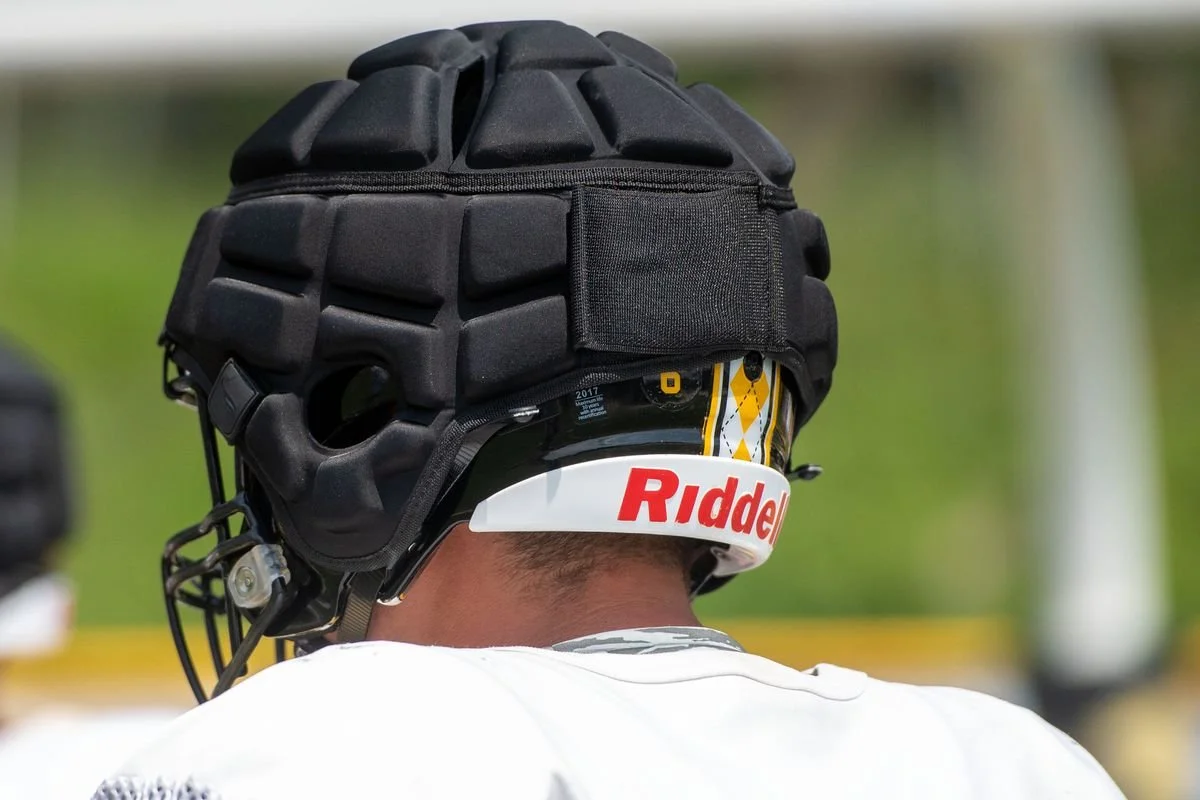
How Guardian Caps are Effective in Reducing Concussion Risk?
Guardian Caps offer a meaningful reduction in concussion risk, they should be seen as part of a broader protective strategy. Investing in a high-quality, well-rated football helmet is the first and most critical step in safeguarding athletes from the dangers of head injuries when participating in contact sports.

Benefits of Magnesium in Adolescent Concussion Treatment
The study revealed a statistically significant reduction in PCSS among adolescents who received oral magnesium compared to the control group. This suggests that magnesium supplementation can effectively alleviate concussion symptoms, potentially leading to faster recovery and a quicker return to normal activities.

The Role of the Neck in Concussion Symptoms
Concussions occur when the brain experiences rapid acceleration and deceleration within the skull, leading to neurological disturbances. Consequently, any trauma affecting the head can also impact the neck, giving rise to a myriad of symptoms that often overlap with those of concussion.

The Impact of Cumulative Concussions on Sleep Patterns
Sleep is an essential aspect of human health, crucial for cognitive function, emotional regulation, and overall well-being. However, various factors can disrupt sleep patterns, including repetitive traumatic brain injuries (TBIs) or concussions. In recent years, there has been growing concern about the effects of cumulative concussions on sleep quality, particularly among certain populations like military personnel and athletes.
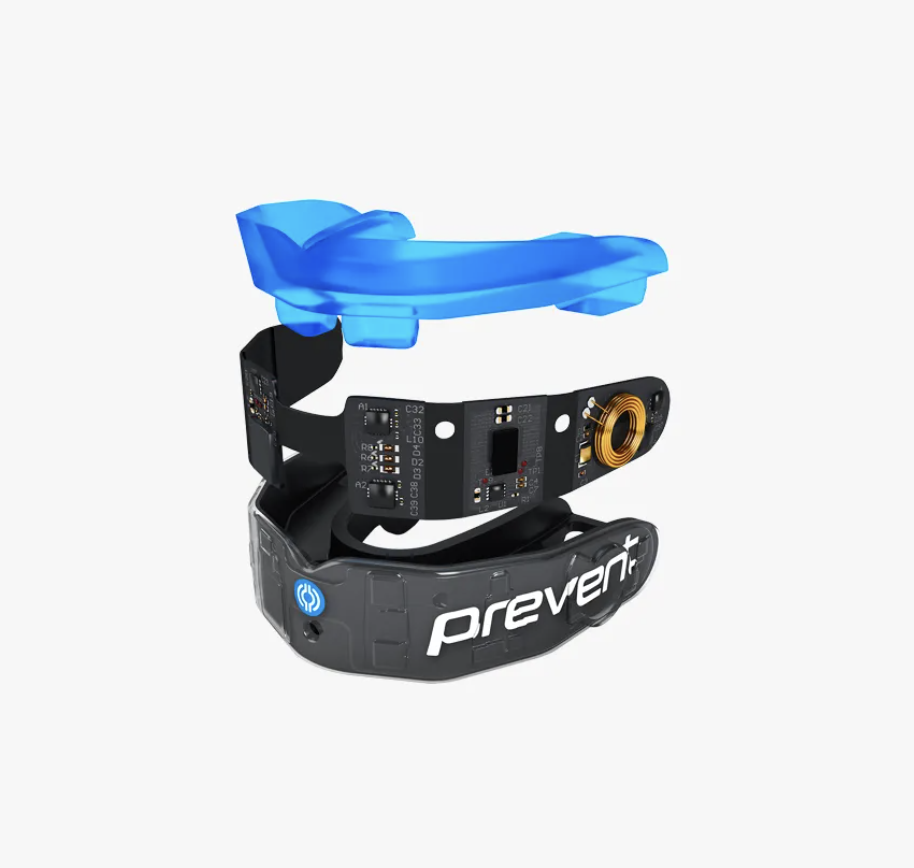
Mouth guards in Sports Safety Help Concussions
Mouth guards are indispensable tools for protecting athletes from a range of injuries, including concussions. Athletes and sports organizations must prioritize the use of quality mouth guards, mandating their usage at all levels of youth sports.

The Role of Helmets in Preventing Concussions
Helmets serve as a critical line of defense against concussions by absorbing and dissipating the force of impact during accidents or collisions. Whether it's a helmet worn during contact sports like football and hockey or protective headgear used in construction sites or cycling, the primary function remains the same: to reduce the risk of head injuries, including concussions.

The Risks of Continuing to Play After Suffering Concussion
Playing through a concussion is not safe, plain and simple. The risks far outweigh any potential benefits, and athletes who sustain head injuries should always err on the side of caution and seek appropriate medical attention.