
Autonomic Dysfunction: Sleep Post-Concussion Course
Based on the same clinical framework taught in our live continuing education courses.

Sleep disturbances are one of the most common and persistent symptoms following concussion. Disruptions in sleep can significantly affect recovery, contributing to fatigue, cognitive difficulties, headaches, and prolonged symptom duration. Understanding how concussion affects sleep regulation allows clinicians to better support patients and improve recovery outcomes.
This course provides an evidence-based overview of sleep dysfunction following concussion and practical strategies to help restore healthy sleep patterns.
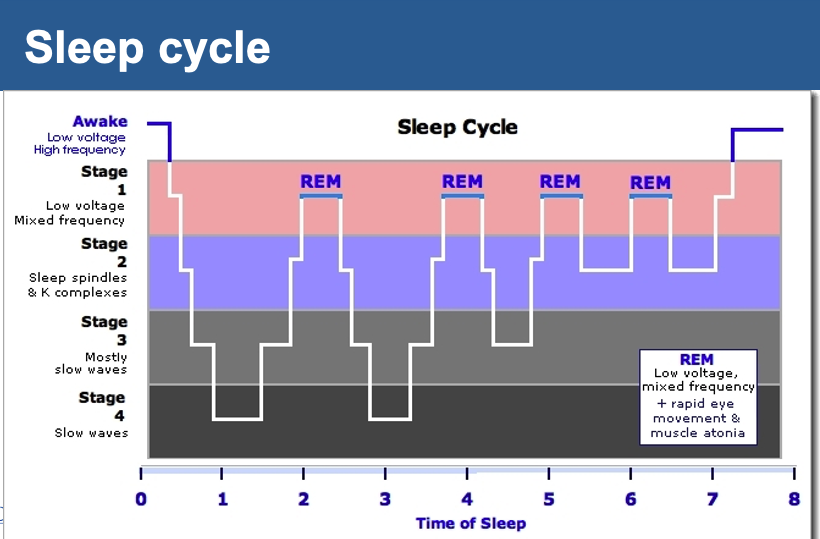
We begin by reviewing the basic phases of sleep, including the role of REM and non-REM sleep in physical and neurological recovery. Understanding normal sleep architecture provides the foundation for recognizing how sleep may be disrupted following concussion.
Next, the course covers sleep hygiene techniques that can be used to help patients improve sleep quality and regulate their sleep schedule. These strategies can be easily implemented in clinical practice to support recovery.
We also explore theories explaining why sleep dysfunction occurs after concussion, including potential disruptions in autonomic regulation and circadian rhythm control.
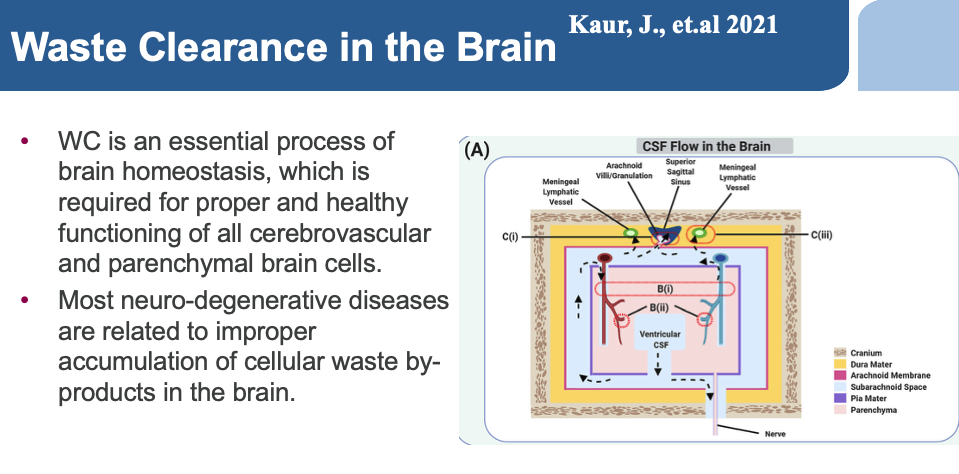
The course then introduces the glymphatic system, the brain’s waste clearance pathway, and discusses its role in removing metabolic byproducts during sleep. Understanding this system highlights the importance of healthy sleep in neurological recovery.
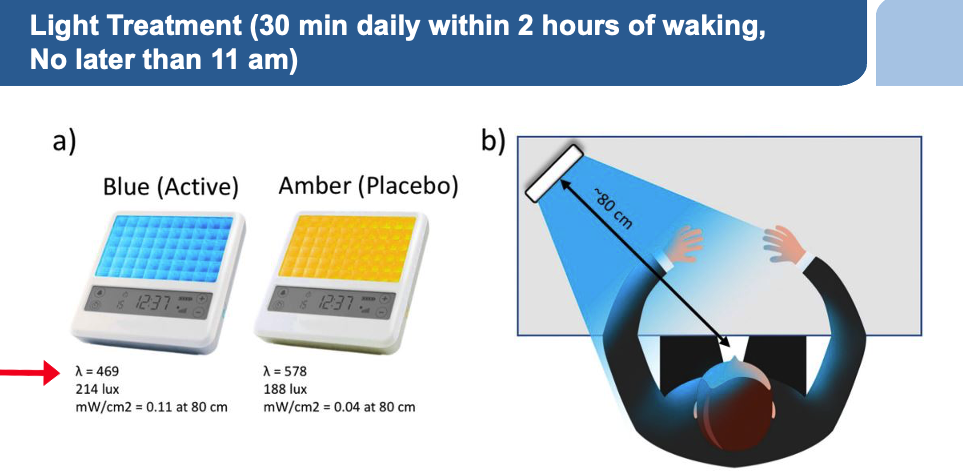
Finally, we review circadian rhythm phase shift disorders following concussion and discuss the role of blue light therapy as a potential treatment strategy to help regulate circadian rhythms and improve sleep timing.
Who Is This Course For: Physical Therapists, Physical Therapy Assistants, Athletic Trainers, Occupational Therapists, Occupational Therapy Assistants, Physicians, and Physician Assistants, and Chiropractors.
CE Credit: 1 CE Hour (1 Contact Hour)
Price: $39
Secure checkout and course access are provided through our educational platform partner, Brain Recovery Project.
Common Challenges with Sleep Dysfunction
Key Outcomes
• Understand the relationship between autonomic dysfunction and sleep disturbances after concussion
• Recognize how poor sleep can contribute to persistent concussion symptoms
• Identify common sleep-related factors that may be interfering with recovery
• Implement practical strategies to improve sleep quality in patients with concussion
• Educate patients on healthy sleep habits that support neurologic recovery
• Incorporate sleep-focused interventions into a comprehensive concussion rehabilitation plan
• Improve clinical decision-making when managing patients with sleep disturbances and persistent symptoms
What You Will Learn
• The physiology of sleep and its relationship to the autonomic nervous system
• How a concussion can disrupt normal sleep regulation and circadian rhythms
• Common sleep disturbances seen after concussion and how they impact recovery
• Key clinical screening strategies to identify sleep dysfunction in patients
• Evidence-informed behavioral strategies to improve sleep quality
• How to educate patients on sleep habits that support brain recovery
• Practical approaches to integrate sleep interventions into concussion rehabilitation
Skills Gained
• Screen for sleep disturbances commonly seen after a concussion
• Identify sleep behaviors and habits that may be interfering with recovery
• Educate patients on practical sleep hygiene strategies that support neurologic recovery
• Develop individualized sleep improvement plans based on patient symptoms and history
• Monitor patient response to sleep interventions and adjust strategies as needed
• Integrate sleep management into comprehensive concussion rehabilitation plans
Course Modules
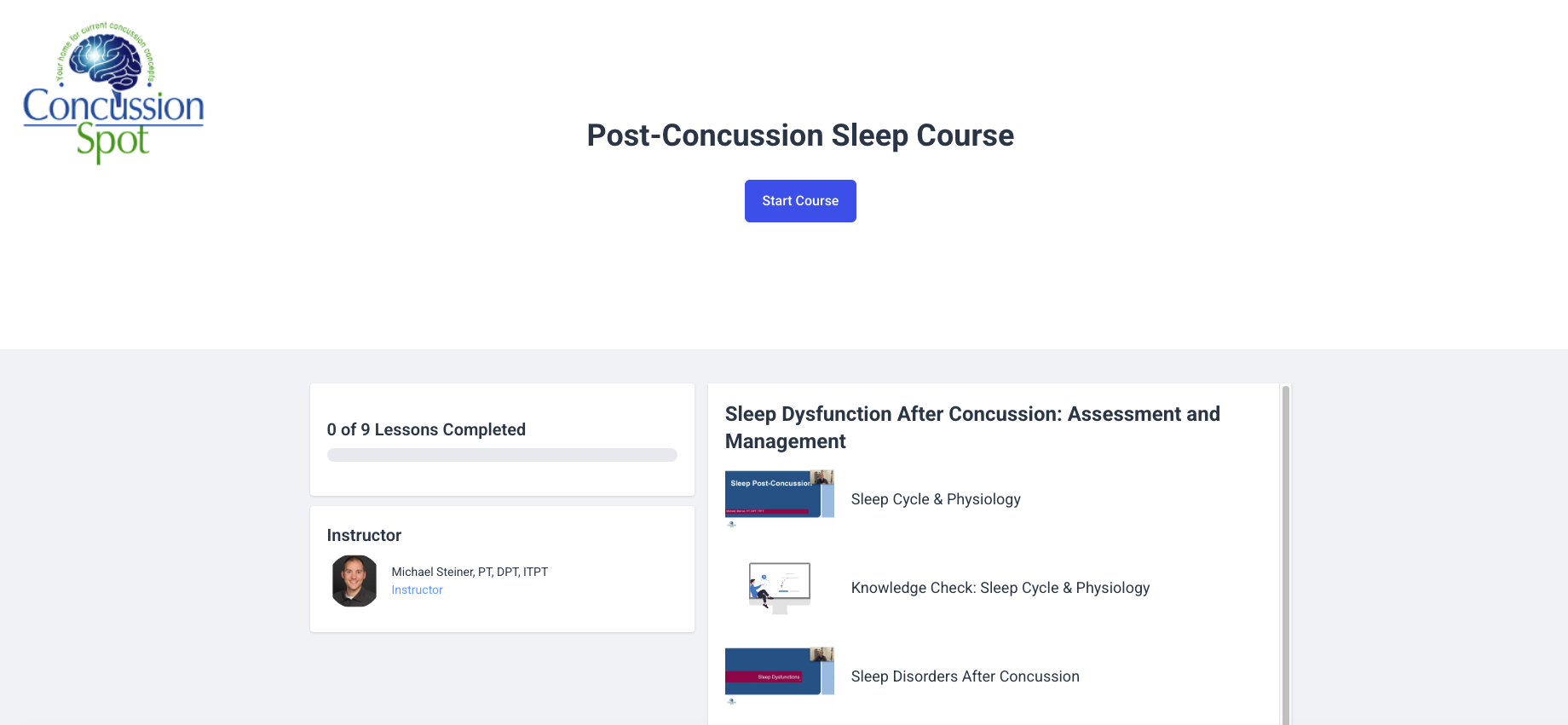
Welcome & Anatomy / Physiology
How to Classify a Concussion
Multi-Disciplinary Concussion Team
Ways of acquiring a concussion & Concussion Symptoms
Screening / Red Flags
Take a Look Inside the Course…
See exactly how the course is structured, what you’ll learn, and how you can immediately apply these strategies in clinical practice.
Meet Your Instructor
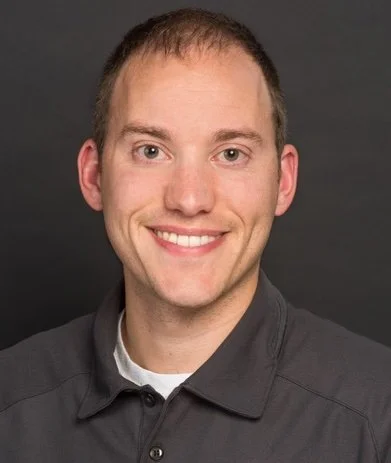
Dr. Michael Steiner, PT, DPT, is a physical therapist specializing in concussion, vestibular, and headache rehabilitation. He serves as the lead physical therapist for the Sport Concussion Program at Twin Cities Orthopedics, one of the largest sports medicine providers in the United States.
Dr. Steiner is passionate about translating the latest concussion research into practical, evidence-based strategies clinicians can immediately apply in practice. His educational resources have reached clinicians and patients in countries around the world, reflecting his mission to make high-quality concussion care more accessible globally.
What’s Included
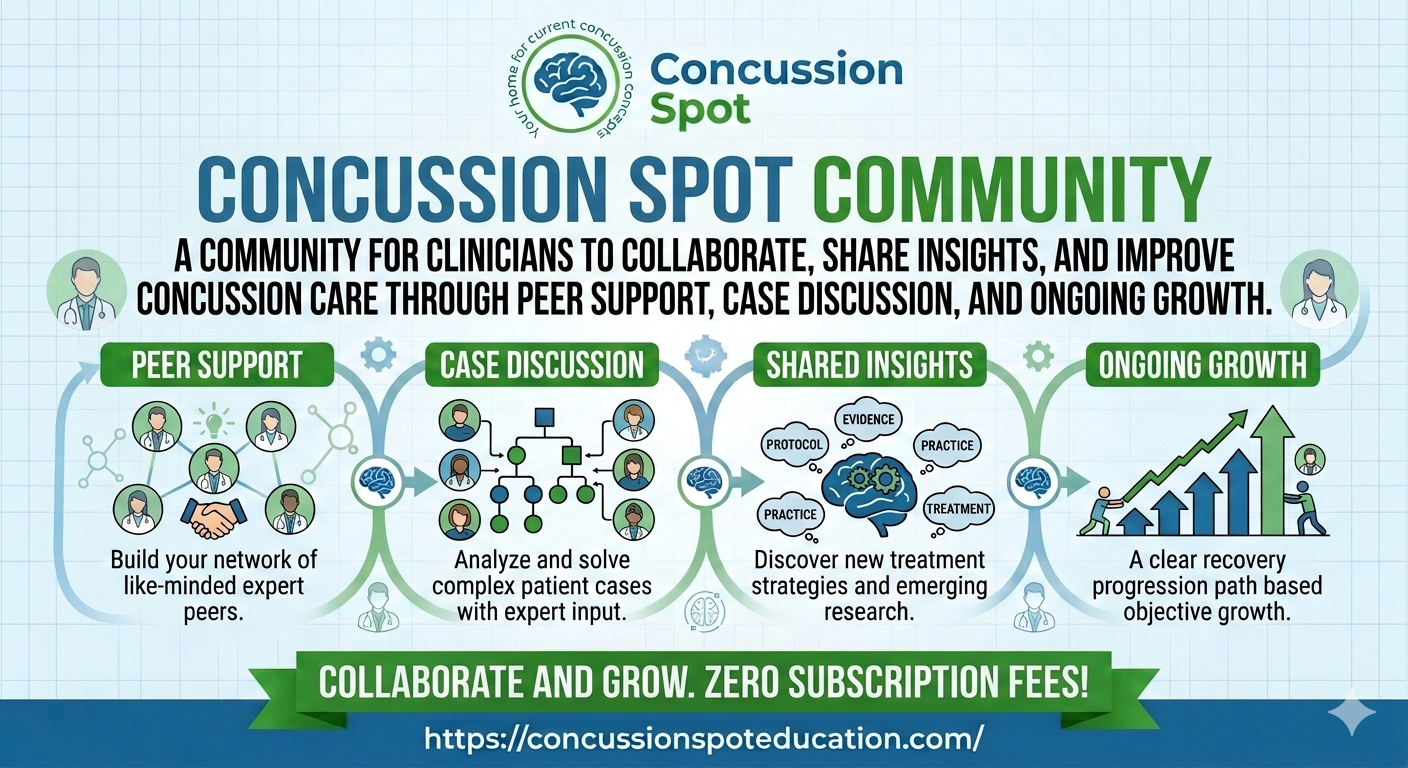
Get FREE Access with the purchase of any course.
Get feedback on real patient cases
Support when you’re unsure what to do next
Collaborate with clinicians across disciplines
Improve outcomes for complex patients
Continue learning beyond the course
Access new tools and resources as they’re released
Be part of a supportive clinical community
Lifetime access with no ongoing fees
Clinician Community
Accreditation: Continuing Education Credits
United States Continuing Education
This course is approved by the Board of Certification (BOC) for Athletic Trainers for Category A credit (Provider #P12183).
Our curriculum is designed to meet Global CPD Standards & Professional Recognition, reflecting the highest quality, evidence-based education for healthcare professionals.
We are actively pursuing continuing education approval across additional U.S. states and licensing boards, including physical therapy and occupational therapy, to make this course accessible to as many clinicians as possible.
Please note: Acceptance of continuing education credit varies by state and licensing board. Participants are responsible for confirming eligibility with their own regulatory authority.
Global CPD Standards & Professional Recognition
This course is developed to meet internationally accepted Continuing Professional Development (CPD) standards for physiotherapists and healthcare professionals.
The educational design emphasizes clinically relevant, outcomes-based learning and includes:
• Evidence-based instruction applicable to real-world patient care
• Clearly defined learning objectives and structured course progression
• Post-course assessment to verify competency and knowledge acquisition
• Guided reflection to support integration into clinical practice
• Formal certification documenting CPD hours and course completion
The course aligns with CPD frameworks utilized by organizations such as the Physiotherapy Board of Australia (https://www.physiotherapyboard.gov.au/ ) and Physiotherapy Board of New Zealand (https://physioboard.org.nz/ ), as well as competency-based, self-directed CPD frameworks used by provincial physiotherapy regulatory colleges across Canada.
As many international physiotherapy regulators—including those in Canada, Australia, and New Zealand—utilize self-directed, portfolio-based CPD systems, this course is designed to be readily applicable toward annual CPD requirements.
Download CPD Reflection Worksheet (for personal CPD documentation) here.
Please Note: International participants are responsible for confirming acceptance with their local regulatory or licensing body, as CPD requirements may vary by jurisdiction.

Why Clinicians Choose This Course
• Evidence-informed, practical content that can be applied immediately in clinical practice
• Structured frameworks and clinical decision-making tools to guide patient care
• Taught by a clinician with specialized expertise in concussion, vestibular, and headache rehabilitation
• Designed for busy clinicians – efficient, practical, and directly relevant to daily practice
• High-quality CEU credit course recognized for professional development
⭐ ⭐ ⭐ ⭐ ⭐
"This was one of the most practical concussion courses I’ve taken. Dr. Steiner does an excellent job breaking down complex concepts into clear evaluation and treatment strategies that I could immediately apply in the clinic."
— Tim H, Physical TherapistFrequently Asked Questions
-
Physical Therapists, Physical Therapy Assistants, Athletic Trainers, Occupational Therapists, Occupational Therapy Assistants, Physicians, and Physician Assistants, and Chiropractors.
-
Yes. The course content is built on the latest concussion research and clinical best practices, with practical frameworks you can apply immediately in the clinic.
-
No. The course is designed for both clinicians new to concussion care and those looking to expand or refine their skills.
-
CE credit applicability varies by state or country. Always check with your licensing board or regulatory body to ensure this course meets your professional requirements.
-
We want you to feel confident in your purchase. If you request a refund before starting the course or within the first 24 hours of access, you are eligible for a full refund. Once the course has been accessed beyond this initial window, refunds are not available, as the content is immediately accessible.
Advance Your Concussion Rehabilitation Skills
This course is designed for Physical Therapists, Physical Therapy Assistants, Athletic Trainers, Occupational Therapists, Occupational Therapy Assistants, Physicians, and Physician Assistants, and Chiropractors.
You will learn how to:
Understand the basic pathophysiology and presentation of concussion
Perform a structured concussion screening in clinical practice
Identify red flags requiring referral or advanced medical evaluation
Recognize when advanced imaging may be appropriate
Use screening results to guide next steps in patient care
Advance Your Concussion Rehabilitation Skills Today
Join clinicians from around the world who are learning practical, evidence-based strategies to evaluate and treat concussion. Apply what you learn immediately in your practice and improve patient outcomes.
Secure checkout and course access are provided through our educational platform partner, Brain Recovery Project.
CE Credit: 1 CE Hour (1 Contact Hour)
Price: $39
Get In Touch
Have a question about a course or interested in hosting a training? Complete the form below, and we’ll get back to you within 48 hours.